Weed Control
Pre-Emergent vs Post-Emergent: Weed Control Strategies Explained
GreenBee Lawn Team
Effective weed control requires understanding when and how to use pre-emergent versus post-emergent herbicides. This guide explains both strategies and helps you develop a comprehensive weed management plan for your Houston lawn.
Pre-emergent herbicides prevent weed seeds from germinating. They create a chemical barrier in your soil that stops seeds before they sprout. These products are preventative, not curative.
Advantages of Pre-Emergents:
Limitations:
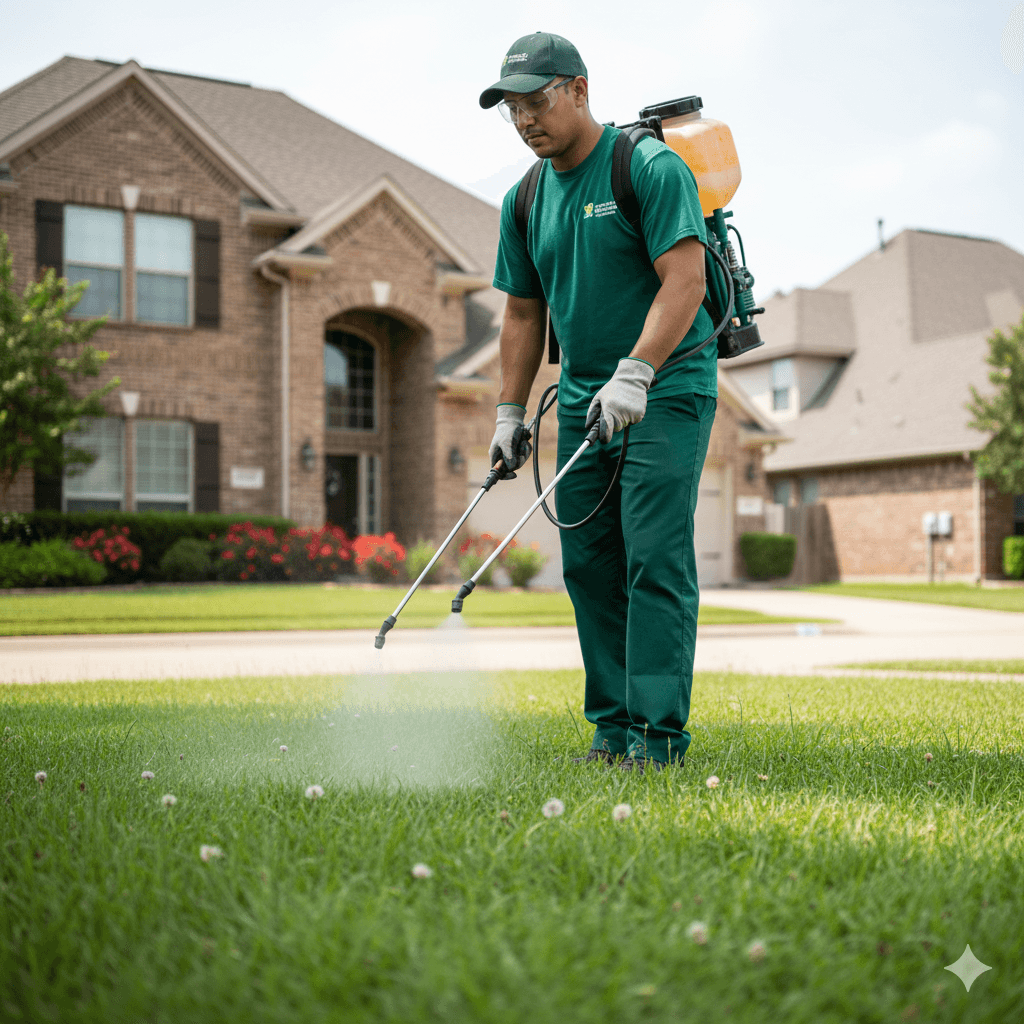
Post-emergent herbicides kill weeds that have already sprouted. They work by attacking the plant through foliar absorption or root absorption, depending on the product type.
Types of Post-Emergents:
Selective Post-Emergents: Kill specific weed types while preserving your grass. Examples include broadleaf herbicides that eliminate dandelions and clover without harming St. Augustine grass.
Non-Selective Post-Emergents: Kill most plants they contact, useful for spot treatment or clearing areas. Glyphosate-based products fall into this category.
Contact Herbicides: Kill only the part of the plant they touch, effective on annual weeds but may not eliminate perennial roots.
Systemic Herbicides: Absorbed by the plant and translocated throughout, killing the entire plant including roots, making them ideal for persistent weeds.
Timing is everything for effective weed control in our climate.
Winter Weeds (November-February): Cool-season annuals like chickweed and henbit thrive. Apply pre-emergent in late October/early November. Use post-emergent in winter for actively growing weeds.
Spring Weeds (March-May): Transition period with both winter and summer weeds. Second pre-emergent application prevents summer annual weeds.
Summer Weeds (June-September): Summer annuals like crabgrass are most problematic. Spring pre-emergent application prevents most summer annuals.
Fall Weeds (September-November): Cool-season annuals begin germinating. Fall pre-emergent prevents winter weed problems.
First Application (Late February-Early March): Prevents spring and summer annual weeds. Apply when soil temperatures consistently reach 55-60 degrees Fahrenheit.
Second Application (June-July): For perennial weed prevention and additional annual weed control.
The most effective approach combines multiple strategies:
Professional lawn care services understand Houston's specific weed challenges. They can develop customized programs that use both pre-emergent and post-emergent products strategically throughout the year for maximum effectiveness with minimal environmental impact.
Subscribe to our newsletter to receive seasonal lawn care guides, maintenance tips, and special offers delivered to your inbox.
Subscribe Now